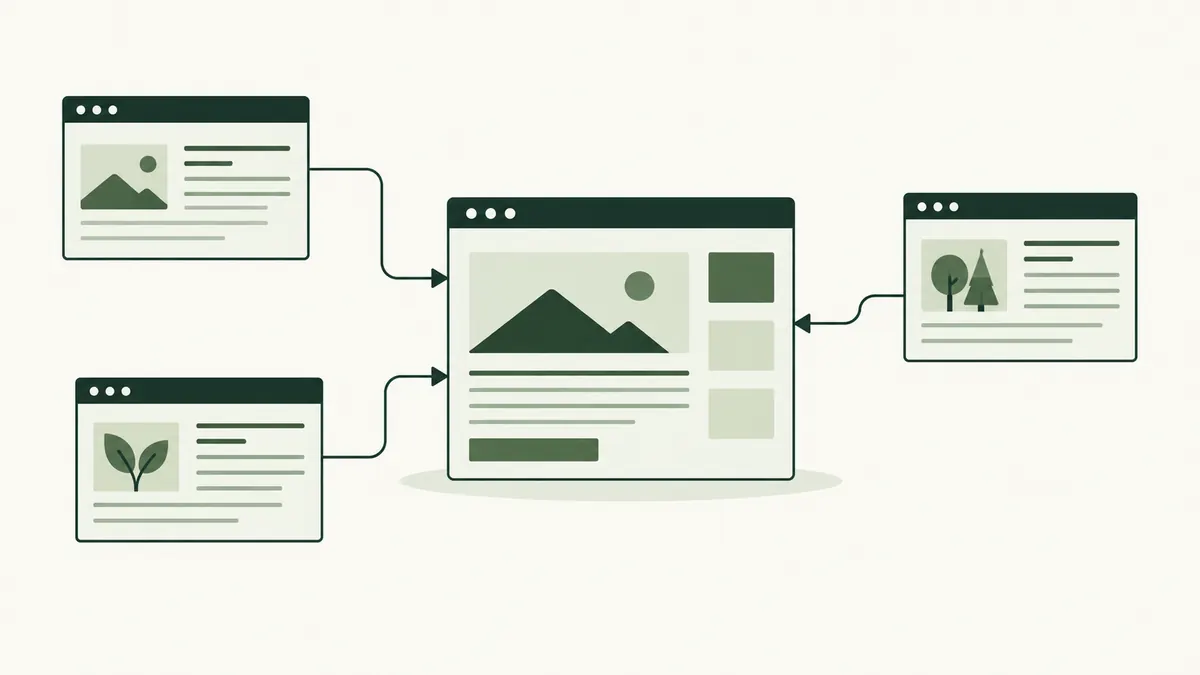
What does it look like?
Imagine an independent cycling club publishing a route around Ipoh. In a paragraph about stopping for repairs, the writer links to a local workshop’s opening hours and location. That reference helps a cyclist plan the ride.
The workshop receives a backlink. Because the link sits within a relevant explanation, people may describe it as contextual. Compare that with an unexplained workshop link in a page footer: the reader has much less information about why it is there.
If the basic terminology is unfamiliar, start with what backlinks are and how they work.
Look at the paragraph and the destination
A sensible connection depends on more than two websites mentioning the same broad subject. Ask what the person reading this particular paragraph needs next. A destination that answers that need is easier to justify.
For example, an article about keeping bicycles indoors might reasonably cite a storage guide. A repair booking form would be a less direct answer. Both destinations belong to the cycling world, but they serve different purposes.
Open the linked page rather than judging the reference by its label alone. Check whether the information is available, current enough for the task and easy to find on a phone.
Four questions for assessing a placement
- Why is the link here? You should be able to explain its purpose without mentioning rankings.
- What does it add? Look for a source, useful detail, an example or a relevant next step.
- Does the wording fit? Read the sentence aloud and watch for awkward repeated phrases.
- Is the relationship clear? Readers should not have to guess whether a recommendation is paid.
A link inside a paragraph is not automatically an editorial endorsement. The placement may still be an advertisement, an unhelpful insertion or part of an arrangement made mainly for search manipulation.
What if someone sells a contextual link?
Treat “contextual” as a description of placement, not a quality guarantee. Before paying for exposure, ask about the audience, the content, disclosure and how the link will be marked. Keep a copy of what has been agreed.
Google’s spam policies cover links created primarily to manipulate rankings. Paid advertising links should be qualified with rel="sponsored"; nofollow is also acceptable. Read the official link-spam policy before assessing a proposal.
Promises of a specific ranking from one placement are a reason to question the offer. A supplier cannot make the rest of the search results, your website or your competitors stand still.
For a service example, the SEOmini commercial website describes its article backlink service for Malaysian businesses. Use the questions above to discuss placement context, disclosure and reporting before deciding whether the service fits your needs.
Create something worth referring to
Start with information your customers regularly request. A workshop could publish a clear maintenance checklist, photographs explaining common damage or accurate access instructions. Keep those resources useful after the first visitor has read them.
If you tell a relevant organisation about a resource, explain who it helps and why. Let the publisher decide whether it belongs in their article. For the wording of the reference itself, read our anchor text guide.