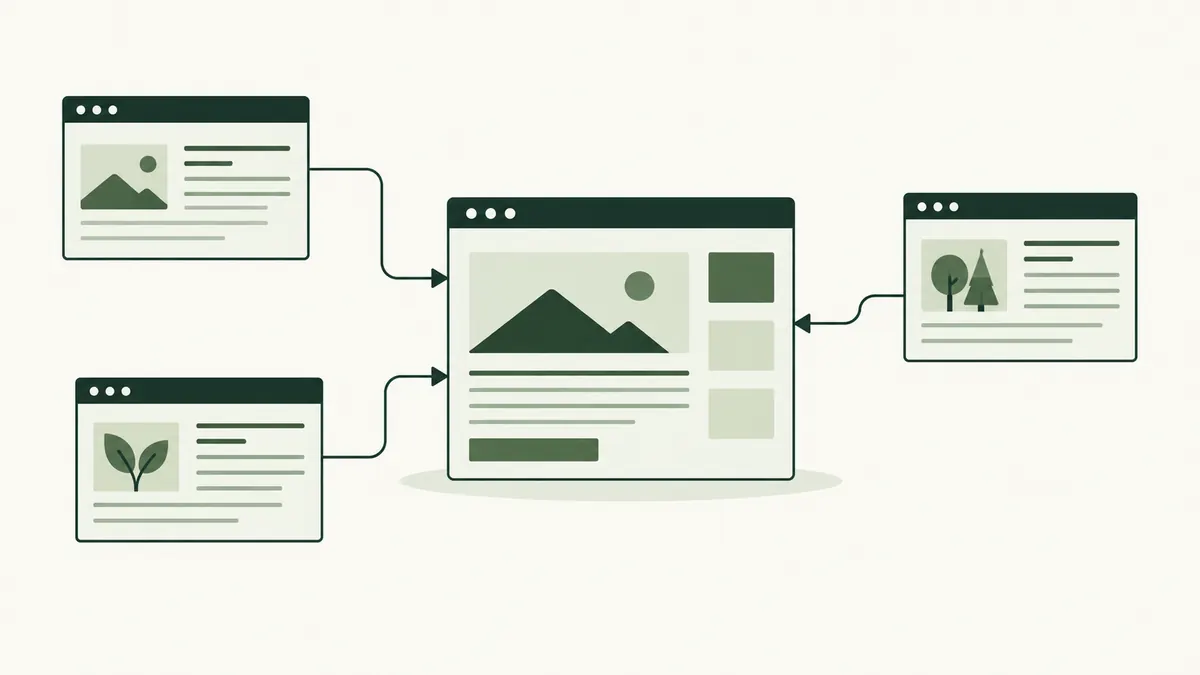
Read the page containing the link
Open the referring article and find the reference. What question is the writer addressing? Does your page add a source, an example or a useful next step?
A tourism guide linking to a Melaka workshop’s booking details has an understandable purpose. A workshop link inserted into an unrelated paragraph needs a closer look, even if the website has an impressive score in a tool.
Check the destination as a visitor
Follow the link. Confirm that it reaches the intended page, works on a phone and provides the information promised by the linked words. A relevant reference loses practical value when the destination is broken or confusing.
Read our anchor text guide to review the wording. The sentence and the destination should make sense together.
Understand why the reference was published
Was it an editorial choice, a customer contribution or a paid placement? Those relationships deserve different treatment. A link inside an article is not automatically independent editorial coverage.
Google’s spam policies describe links created primarily to manipulate rankings. Paid advertising links need appropriate qualification; the relevant attributes are explained in our link attribute guide.
Do not judge the relationship solely from the publisher’s sales description. Review the actual placement and any agreed terms.
If you are comparing providers, you can request examples through the SEOmini Malaysia backlink service. This is our commercial service website. Apply the same checks to its proposed placements: relevant context, clear terms and reporting you can inspect.
Use scores as research inputs
Third-party authority metrics are estimates produced by their respective tools. They are not a direct reading of how Google values a particular link.
A high domain score cannot tell you whether one article helps your audience. A low score does not establish that a small specialist publication is worthless. Keep the underlying questions visible when comparing opportunities.
Similarly, a large link count may come from repeated template links rather than many independent recommendations.
Record a reasoned assessment
- Referring page and intended audience.
- Purpose of the reference in its paragraph.
- Accuracy of the wording and destination.
- Disclosure and relationship attributes where relevant.
- Any observed visits or useful enquiries.
Separate what you observed from what you assume. A useful mention is not a guaranteed ranking improvement. For timing and measurement, see how long backlinks take to work.